

TOTOMOXTLE TABLE & TOTOMOXTLE WALL PANELS
by Fernando Laposse
2024 Heirloom corn husk marquetry on beechwood, eco-resin
Totomoxtle is an innovative material created from the vibrant husks of heirloom corn varieties native to Mexico. Hand-harvested, flattened, and assembled into intricate marquetry, the material reveals a natural spectrum of colors ranging from deep purples to soft creams.
Developed in collaboration with the Mixtec farming community of Tonahuixtla in Puebla, Mexico, the project extends beyond material exploration to support the revival of traditional agricultural practices and the preservation of corn biodiversity. By creating new economic opportunities through the transformation of discarded husks into a valuable material, Totomoxtle helps sustain Indigenous knowledge, local livelihoods, and ancestral seed varieties.
Through these works, Laposse reveals the deep interdependence between human communities and the living systems that sustain them, reminding us that protecting agricultural diversity is essential to the resilience of our shared future.
The exhibited works by Laposse are all generously loaned by Wohnen AM TACHELES.
WOODEN BENCH
by Fernando Laposse
2024 Beechwood
This bench follows the soft curves and distinctive forms characteristic of Laposse’s design practice. The wood’s subtle pink and peach undertones highlight the natural variation of the material, creating a visual dialogue with the corn husk marquetry of its neighboring works.
The exhibited works by Laposse are all generously loaned by Wohnen AM TACHELES.
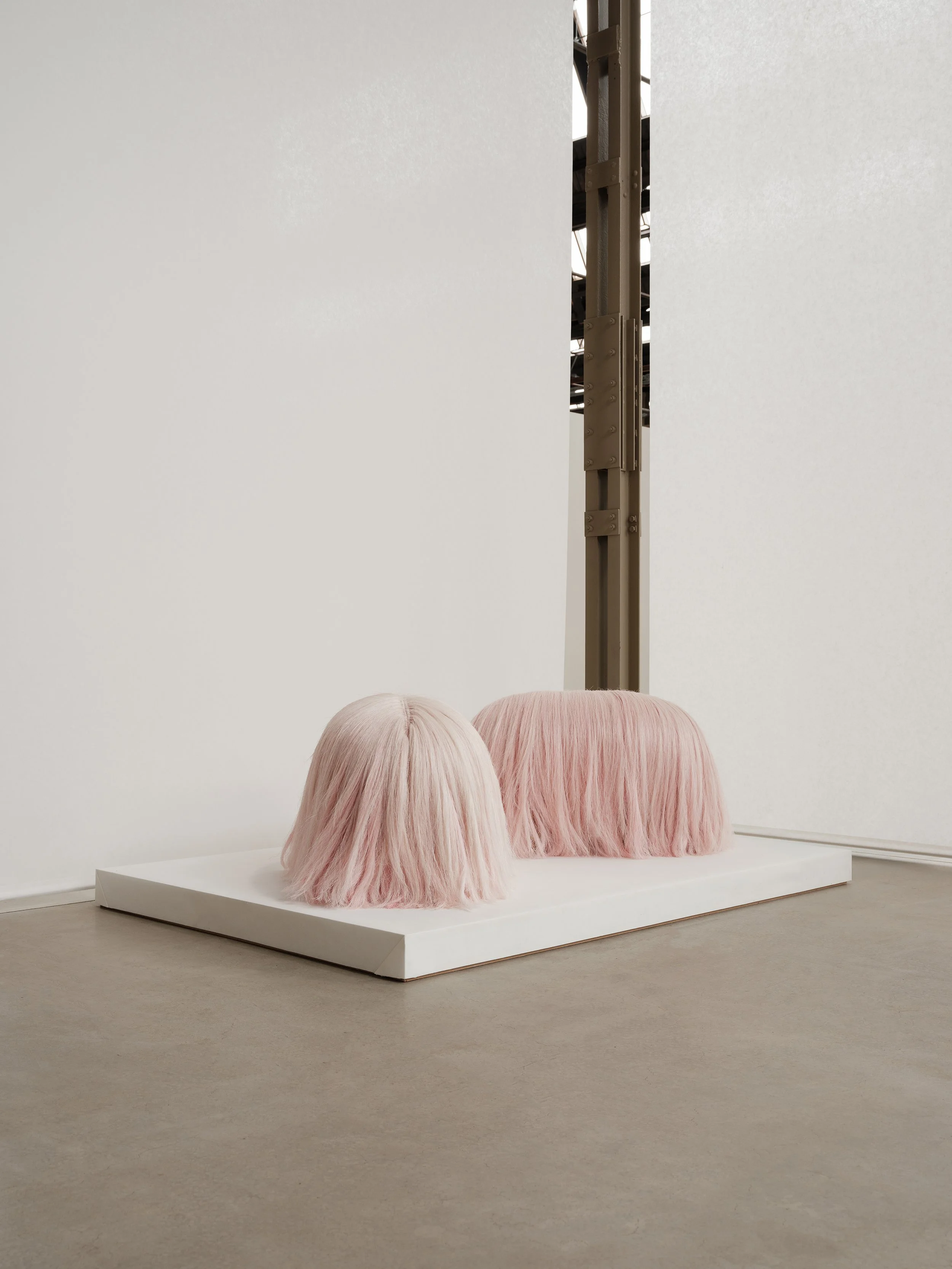
PUP BENCHES
by Fernando Laposse
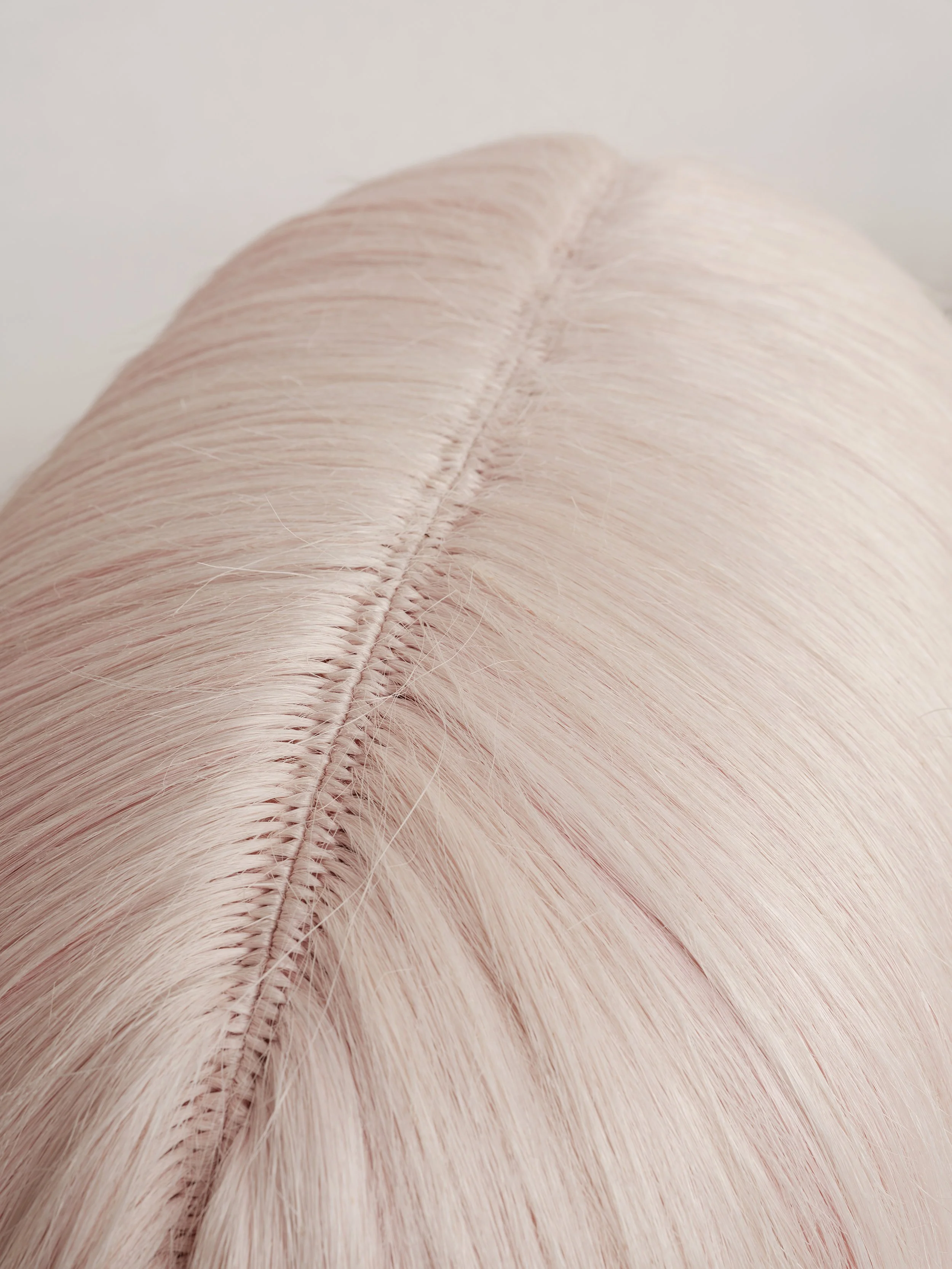
2024 Plywood, cotton canvas, beechwood, dyed agave fibers (sisal)
Created from the resilient fibers of agave plants native to southern Mexico, Pup Benches transform a regenerative material into playful, sculptural furniture. In Tonahuixtla, Puebla, agave has been replanted as part of an ecological restoration effort, helping to slow water flow, prevent soil erosion, and revive a landscape damaged by industrial agriculture. Known as a “pioneering” plant, agave can thrive in challenging conditions while creating the conditions for other species to return.
Unlike commercial agave cultivation, the plants are pruned rather than uprooted, allowing them to continue protecting the land while providing a sustainable source of income. By scraping the leaves of the plant, communities harvest sisal—a strong natural fiber traditionally used for rope and weaving. Laposse developed a new knotting technique that celebrates the fiber in its raw, flowing form, transforming an overlooked agricultural material into a tactile design language.
Created in collaboration with local farmers and fiber producers, Pup Benches demonstrate how design can foster more regenerative economies, support Indigenous knowledge, and reveal the ecological potential of overlooked materials.
“The whole point of this project is to try and see how design can be the driving force that can increase the wellbeing of not only the nature in this area, but the community.”
— Fernando Laposse
The exhibited works by Laposse are all generously loaned by Wohnen AM TACHELES.